

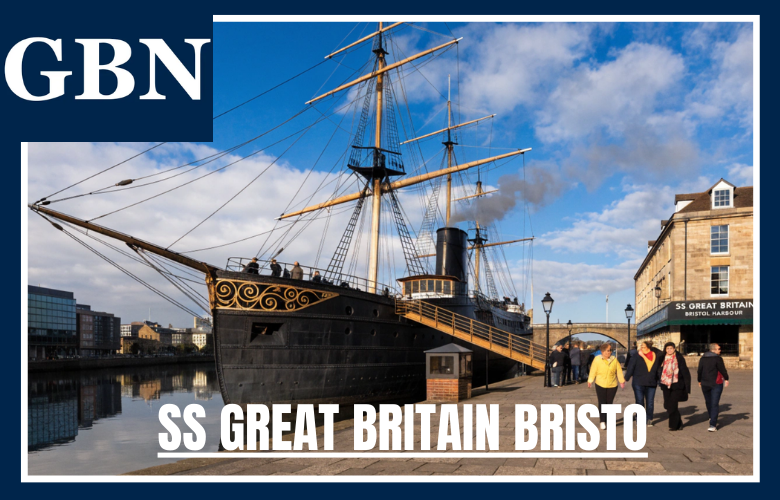
The SS Great Britain Bristol is a historic steamship and museum that symbolizes Victorian innovation and maritime engineering excellence. Designed by Isambard Kingdom Brunel and launched on 19 July 1843, it was the largest passenger ship in the world from 1845 to 1853. Moreover, its revolutionary iron hull and screw propeller made transatlantic voyages faster, safer, and more comfortable than any other vessel of the time. Originally serving the Great Western Steamship Company’s Bristol–New York route, the ship later transported thousands of emigrants to Australia, shaping global migration. Today, it serves as a museum where visitors can explore her decks, cabins, engine room, and interactive exhibits, offering a vivid glimpse into 19th-century maritime life.
In addition, the ship demonstrates how technology and human experience can work together. Visitors can walk through first-class cabins, crew quarters, and the engine room, experiencing life at sea in the Victorian era. With panoramic views of Bristol Harbour, engaging workshops, and interactive exhibitions, the SS Great Britain offers an unforgettable, educational, and entertaining experience for families, students, and history enthusiasts alike.
SS Great Britain Bristol History
Origins and Launch
The SS Great Britain Bristol history began with Brunel’s ambitious vision: to create a ship that would surpass all predecessors in size, speed, and comfort. In collaboration with engineers William Paterson and Thomas Guppy, Brunel designed an iron-hulled vessel powered by a screw propeller—a groundbreaking innovation at the time. Consequently, when she launched in 1843, the ship set new standards for ocean travel. Her early voyages between Bristol and New York demonstrated reliability, safety, and remarkable passenger comfort. As a result, she quickly became a symbol of industrial progress and British engineering excellence.
Emigrant Voyages and Global Impact
Later, the ship transported thousands of emigrants to Australia, proving essential for global migration. These long voyages required stability, safety, and endurance, which the SS Great Britain Bristol consistently provided. In fact, her design allowed passengers to travel in comfort, whether in first-class cabins or emigrant quarters. As a result, the ship influenced migration patterns, connecting continents and shaping new communities across the globe.
Decline, Abandonment, and Preservation
After decades of service, authorities retired the ship and abandoned her in the Falkland Islands in 1937. Consequently, harsh weather and isolation threatened her existence. In 1970, preservationists refloated the ship and towed her back to Bristol Harbour. Extensive restoration repaired the hull, recreated cabins, and developed museum exhibits. Today, the SS Great Britain Bristol stands as a living monument to Victorian engineering, offering visitors an authentic and immersive historical experience.
Engineering Innovations of SS Great Britain Bristol
Brunel’s Revolutionary Design
Brunel’s design made the SS Great Britain Bristol a marvel of innovation. The iron hull provided unprecedented strength, while the screw propeller improved speed and efficiency. Moreover, passenger comfort was a priority, with spacious cabins, promenades, and elegant dining areas. This combination of technology and human-centered design influenced future generations of ocean liners.
Specifications and Capabilities
Measuring 98 meters in length, the ship carried first-class passengers, emigrants, crew, and cargo efficiently. Her hull design ensured stability in rough seas, while her layout maximized safety and passenger comfort. As a result, the ship exemplified how technical innovation could meet practical needs.
Life Onboard
Life aboard the ship reflected Victorian social norms and hierarchy. First-class passengers enjoyed luxury, including private cabins and fine dining, while emigrants traveled in safe, simple quarters. Meanwhile, crew members performed essential roles to operate engines, navigate, and maintain safety. Consequently, the ship operated smoothly while providing comfort and functionality.
Abandonment, Salvage, and Restoration
Years in the Falklands
The ship’s retirement left her stranded in the Falkland Islands, where exposure to wind, rain, and isolation caused significant damage. Preservationists realized that the vessel’s historical importance warranted rescue.
H3: Return to Bristol
In 1970, the ship was refloated and towed 8,000 miles back to Bristol Harbour. Restoration projects focused on repairing the hull, rebuilding cabins, and designing educational and interactive museum spaces. Consequently, visitors today can explore decks, cabins, and engine rooms, experiencing history firsthand.
SS Great Britain Tickets
Visitors can purchase SS Great Britain tickets online or at the museum entrance. Ticket options include adults, children, families, and groups, ensuring affordability and flexibility. Booking online is recommended, particularly during peak seasons. Tickets grant access to all decks, engine rooms, cabins, and interactive exhibits. Moreover, guided tours and workshops often complement ticketed visits, providing engaging educational experiences.
Tips for Visitors
- Plan 2–3 hours for a complete visit.
- Weekdays and mornings are less crowded; evenings offer scenic views.
- Combine your visit with the M Shed Museum or Bristol Aquarium.
- Accessibility features include ramps, lifts, and audio guides.
Exhibits and Interactive Experiences
The SS Great Britain museum Bristol offers immersive exhibits. Visitors can explore the Captain’s Cabin, First-Class Saloon, and Engine Room. Interactive zones teach navigation, shipbuilding, and maritime life. Seasonal workshops provide hands-on learning experiences. Consequently, visitors of all ages leave with both entertainment and historical knowledge.
SS Great Eastern
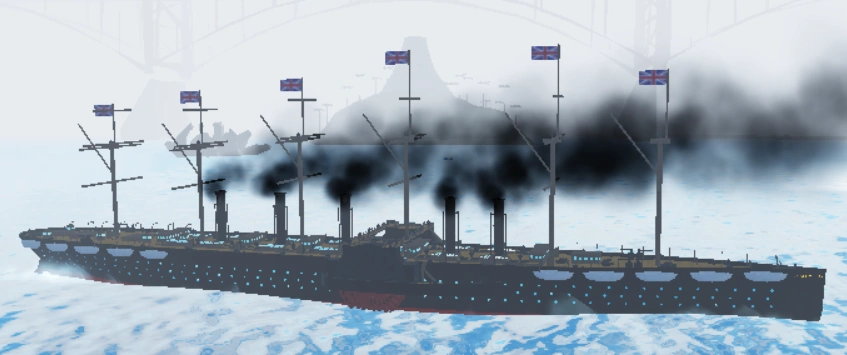
The SS Great Eastern, also designed by Brunel, illustrates the evolution of Victorian engineering. Launched in 1858, she was the largest ship of her era, featuring dual engines and an iron hull. Comparing her with the SS Great Britain Bristol highlights Brunel’s progressive design principles, from pioneering passenger vessels to unprecedented maritime engineering feats.
Family Experiences and Educational Programs
The museum is highly family-friendly, featuring interactive stations, storytelling, and role-playing activities. Children learn about navigation, shipbuilding, and Victorian life, while adults explore restored cabins and engine rooms. Schools benefit from curriculum-aligned workshops covering history, engineering, and science. Seasonal events and exhibitions add variety, ensuring repeat visitors always find new experiences.
Interesting Facts and Statistics
- Launched: 19 July 1843
- Length: 98 meters
- Designers: Isambard Kingdom Brunel, William Paterson, Thomas Guppy
- Largest passenger ship: 1845–1853
- Returned to Bristol: 1970
- Annual visitors: 200,000+
- Innovation: First iron-hulled, screw-propelled ocean-going ship
Visitor Information and Practical Tips
is located at Great Western Dockyard, Gas Ferry Rd, Bristol BS1 6TY. Phone: 0117 926 0680. Opening hours begin at 10 am on Tuesday, with extended summer schedules. Accessibility is excellent, with ramps, lifts, and audio guides. Visitors can also explore nearby attractions like the M Shed Museum or Bristol Aquarium for a full day of cultural discovery.
Also Read:Joan Anderton: The Private Life of Tim Healy’s Wife – Go Britain News
Frequently Asked Questions
What is SS Great Britain Bristol?
The ship is a museum and former passenger steamship designed by Brunel, launched in 1843, and preserved at Bristol Harbour.
How can I buy SS Great Britain tickets?
Tickets are available online and on-site, including adult, child, family, and group options. Online booking ensures entry during peak periods.
What is the history of SS Great Britain?
She was the largest passenger ship of her era, pioneering iron hulls, screw propulsion, and safe emigrant transport.
How long should I plan my visit?
Most visitors spend 2–3 hours, exploring decks, cabins, engine room, and interactive exhibits.
Is the ship family-friendly?
Yes, interactive exhibits, storytelling, and educational workshops make it ideal for children and adults.
What is the connection to SS Great Eastern?
Both ships were Brunel designs; the Great Eastern was a larger vessel that built upon SS Great Britain’s innovations.
Is the museum accessible?
Yes, ramps, lifts, and audio guides provide full accessibility for visitors with disabilities.
Conclusion
The SS Great Britain Bristol stands as a remarkable symbol of Victorian innovation, engineering brilliance, and maritime history. Visitors can explore her restored cabins, engine rooms, and decks while experiencing immersive exhibits that bring the 19th century to life. With family-friendly workshops, interactive zones, and breathtaking views of Bristol Harbour, the ship offers both education and entertainment for all ages. Moreover, the story of Brunel’s vision, her transatlantic voyages, and her preservation highlights the enduring importance of this engineering marvel. A visit to is not just a trip through history—it is an inspiring journey into the ingenuity and legacy of one of Britain’s greatest engineers.