

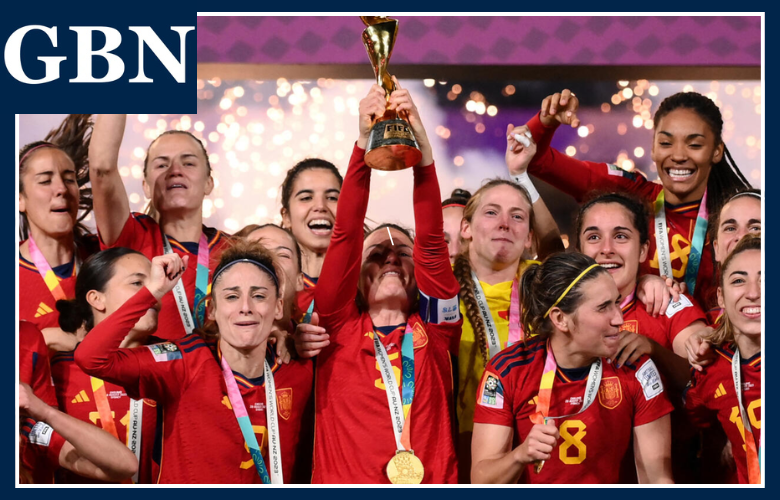
The Women’s World Cup has grown into one of the most important sporting tournaments on the planet, attracting global audiences, record-breaking stadium attendances, major sponsorship agreements, and worldwide media attention every four years. What once started as a competition followed mainly by dedicated football supporters has now become a mainstream international event watched by millions of people across different continents. The growth of women’s football has been remarkable because it reflects not only the development of the sport itself but also wider changes in global attitudes toward female athletes, professional opportunities, and investment in women’s competitions. Fans now follow elite women’s football with the same emotional connection, passion, and excitement traditionally associated with the men’s game.
Modern international tournaments deliver far more than football matches alone. They create unforgettable moments, inspire younger generations, influence sports culture, and strengthen football development systems around the world. Every edition introduces new players capable of becoming global superstars while giving emerging football nations opportunities to compete against established powers on the world stage. The tournament has also become a symbol of progress because it demonstrates how investment, visibility, and professional support can transform a sport within a relatively short period of time.
The rapid rise of women’s football is closely connected to improvements in coaching, fitness preparation, youth academies, broadcasting coverage, and domestic league structures. Countries that once struggled to compete internationally are now producing technically gifted players and highly organised national teams capable of challenging traditional football powers. As the sport continues expanding globally, future tournaments are expected to become even more competitive, commercially successful, and culturally influential than previous editions.
Women’s World Cup Football 2027 Could Be the Biggest Tournament Yet
The women’s world cup football 2027 tournament is expected to build on the enormous success of recent competitions. The 2023 edition hosted by Australia and New Zealand broke multiple attendance and broadcasting records, proving that women’s football has become a major global entertainment product with huge international appeal. By the time the 2027 tournament begins, experts believe audience numbers could grow even further because the sport continues attracting new fans every year.
One reason for this rapid growth is the increasing quality of football being played internationally. National teams now benefit from advanced tactical coaching, professional training environments, sports science support, and highly competitive domestic leagues. Players entering the tournament in 2027 will likely represent the strongest generation of female footballers seen so far.
Brazil’s hosting role adds another layer of excitement because football is deeply connected to the country’s national identity. Matches held in cities such as Rio de Janeiro, São Paulo, Brasília, and Salvador are expected to create unforgettable atmospheres filled with music, celebration, and emotional support. The country’s famous football culture could help elevate the tournament’s popularity even further.
Another important factor is the growing competitiveness of women’s football internationally. Traditional powers such as the United States and Germany remain strong, but nations like Spain, England, Japan, Sweden, France, and several African countries have improved dramatically. Emerging nations continue developing talented players capable of challenging established football powers, creating more unpredictable and exciting tournaments.
Commercial interest is also increasing rapidly. Sponsors, broadcasters, and digital media companies now recognise the enormous value of women’s football audiences. By 2027, the tournament could generate record-breaking sponsorship deals, streaming figures, and social media engagement worldwide.
Women’s World Cup 2027 Qualifiers and How Teams Reach the Tournament
The women’s world cup 2027 qualifiers will determine which nations earn the opportunity to compete in Brazil. Qualification systems differ across continents because each regional football confederation organises its own pathway into the tournament. Europe uses UEFA competitions, while Asian teams qualify through AFC tournaments. African nations compete through CAF events, South American countries through CONMEBOL competitions, and North American teams through CONCACAF qualification tournaments.
Qualification matches are often incredibly intense because reaching the World Cup can completely transform women’s football within a country. Successful qualification usually increases government support, sponsorship investment, fan interest, and youth participation. Players also gain valuable international experience that can improve their professional careers significantly.
The expanded 32-team format introduced in recent tournaments allows more countries to participate than ever before. Smaller football nations now have realistic opportunities to qualify, helping expand the global reach of women’s football. Recent tournaments showed significant improvements from countries outside traditional football powers, particularly in Africa and Asia where investment in women’s football continues rising rapidly.
Qualification campaigns can last several years depending on the region. Teams often travel extensively and compete in difficult conditions while attempting to secure limited tournament places. These matches frequently create emotional moments and historic achievements for developing football nations.
The qualification process also highlights the growing depth of women’s football internationally. More countries now possess professional players, organised youth systems, and experienced coaching staffs capable of competing at high levels. This growing competitiveness makes future tournaments far less predictable and much more exciting for supporters.
Women’s World Cup 2031 and the Future of Global Women’s Football
Interest in the women’s world cup 2031 is already growing despite the tournament still being years away. FIFA has not yet officially announced the final host nation, but several countries are reportedly preparing bids because hosting rights have become extremely valuable. Current discussions suggest that the United States and Mexico are among the strongest candidates for organising the tournament, potentially alongside other CONCACAF nations.
The United States already has a strong relationship with women’s football because of its successful national team, professional league structure, and massive fan support. Hosting another Women’s World Cup in North America could produce huge commercial success due to modern stadiums, broadcasting opportunities, and large football audiences.
Mexico’s growing investment in women’s football also makes it an attractive partner for future hosting plans. The country has improved domestic league structures significantly while increasing support for women’s national teams and youth development programmes. Joint hosting partnerships may become more common in future tournaments because they reduce organisational pressure while increasing regional collaboration.
FIFA is also exploring the possibility of expanding the tournament even further beyond 32 teams. The global growth of women’s football means more nations are capable of competing at international level. Expanding the competition would allow additional countries to participate while helping FIFA develop women’s football across more regions.
Future tournaments are expected to feature stronger commercial partnerships, improved broadcasting technology, and larger worldwide audiences. Women’s football is no longer viewed as an emerging market but as one of the fastest-growing sectors in global sport. The future of the tournament appears exceptionally strong.
FIFA Women’s World Cup Winners List and Historic Champions
The fifa women’s world cup winners list highlights the countries that have dominated international women’s football since the competition began in 1991. Winning the World Cup represents the highest achievement in women’s football, requiring tactical excellence, mental strength, consistency, and world-class talent.
The United States remains the most successful nation in tournament history with four championships. The American team helped establish women’s football globally and produced some of the sport’s most famous players. Germany follows with two titles, while Japan, Norway, and Spain have each lifted the trophy once.
Here is the complete list of champions:
| Year | Winner |
|---|---|
| 1991 | United States |
| 1995 | Norway |
| 1999 | United States |
| 2003 | Germany |
| 2007 | Germany |
| 2011 | Japan |
| 2015 | United States |
| 2019 | United States |
| 2023 | Spain |
The diversity of champions demonstrates how competitive women’s football has become internationally. Earlier tournaments were dominated by a smaller group of countries, but modern competitions feature multiple nations capable of winning the title.
Spain’s victory in 2023 represented a particularly important moment because it reflected the success of the country’s long-term investment in technical player development and youth systems. England, France, Sweden, and several other nations have also emerged as serious contenders in recent years.
Future tournaments may produce even more first-time champions because football standards continue improving globally. Investment in coaching, facilities, and domestic leagues is helping more countries compete at elite international level.
Why Supporters Around the World Love Women’s Football
The global popularity of women’s football continues increasing because supporters genuinely enjoy the atmosphere, competitiveness, and emotional connection surrounding the game. Many fans describe the sport as authentic, passionate, and deeply engaging because players often maintain strong relationships with supporters through interviews, community involvement, and social media interaction.
Modern international matches deliver excellent tactical quality, athletic intensity, and emotional drama. Teams now display highly organised defensive structures, creative attacking football, intelligent pressing systems, and advanced technical skills. The difference in quality between modern tournaments and earlier editions is enormous because players now benefit from professional training environments from younger ages.
Another reason supporters enjoy women’s football is the increasing unpredictability of tournaments. Emerging nations continue improving rapidly, creating competitions where traditional powers can no longer dominate easily. Dramatic upsets, late goals, and emotional underdog stories regularly capture worldwide attention during international tournaments.
Family-friendly environments also attract many supporters. Stadium atmospheres often feel welcoming and energetic while maintaining strong national pride and sporting intensity. Younger fans especially connect strongly with players because they view them as relatable role models rather than distant celebrities.
The emotional authenticity associated with the sport remains one of its greatest strengths. Players frequently speak openly about their journeys, challenges, and sacrifices, helping supporters form genuine emotional connections with teams and athletes during tournaments.
Youth Development and the Future of the Global Game
Youth development has become one of the most important priorities in modern football because long-term international success depends heavily on producing talented younger players consistently. Many federations now invest heavily in academies, grassroots programmes, school partnerships, and specialised coaching systems designed specifically for girls’ football development.
International youth tournaments play a major role in preparing future stars for elite competition. Younger players gain experience handling pressure, tactical preparation, international travel, and major tournament environments before progressing into senior football. Many famous international players first attracted global attention during youth competitions before becoming senior stars.
Countries with strong youth systems often achieve sustained international success because they continuously develop technically gifted players capable of adapting to modern tactical demands. Spain, Japan, Germany, and the United States are frequently praised for their organised development structures and commitment to long-term football education.
Participation rates among young girls continue rising worldwide as visibility improves and professional opportunities expand. Millions of younger players now grow up believing professional football careers are realistic possibilities because they regularly see elite female athletes competing on television and social media platforms.
The continued expansion of youth football may ultimately become the most important factor shaping the future of the global women’s game. Strong development structures ensure future generations of players continue raising technical standards and increasing international competitiveness.
Benefits Created by Major International Tournaments
Major international football tournaments create significant benefits for players, supporters, host nations, and global sport development. One of the biggest advantages is increased visibility for female athletes because global broadcasting introduces millions of viewers to elite women’s football. Greater visibility usually attracts sponsorship agreements, commercial investment, and stronger media coverage that support long-term growth.
Host countries often experience major economic benefits as well. International supporters travel extensively during tournaments, helping hotels, restaurants, transportation services, and tourism industries. Stadium redevelopment and infrastructure projects can also leave lasting improvements benefiting local communities long after tournaments finish.
The sport itself benefits enormously through increased youth participation. Young players watching elite international football often become inspired to join local clubs and pursue football more seriously. Schools, community organisations, and football academies frequently report rising participation rates following successful international competitions.
Additional benefits include:
- Stronger investment in grassroots football
- Better professional opportunities for players
- Increased sponsorship revenue
- Greater international representation in sport
- Improved coaching education programmes
- Expanded media coverage for women’s competitions
- Development of football infrastructure
- Positive cultural and social influence
These benefits explain why countries increasingly compete aggressively for hosting rights and why football federations continue investing heavily in women’s football development worldwide.
Challenges Still Facing the Women’s Game
Despite extraordinary progress, women’s football still faces several important challenges. Financial inequality remains a major issue because funding levels vary significantly between countries and leagues. Some national teams still receive lower investment than equivalent men’s programmes, affecting training facilities, coaching resources, and player support systems.
Prize money differences also remain controversial within international football. Many players and supporters argue that increased commercial success should eventually produce fairer financial structures for women’s competitions globally. Smaller football nations frequently struggle with limited facilities and fewer professional opportunities compared to wealthier countries with stronger football infrastructures.
Media coverage can also vary dramatically depending on the region. While major tournaments now receive significant global attention, some domestic leagues and smaller international competitions still struggle for visibility. Consistent broadcasting support remains essential for long-term commercial growth and fan engagement.
Scheduling challenges sometimes affect tournament visibility as well. Competing with other major sporting events can reduce media focus in certain markets. Football authorities continue exploring ways to maximise global attention through strategic tournament scheduling and improved promotional campaigns.
However, the overall direction of the sport remains extremely positive. Every tournament generates larger audiences, stronger sponsorship agreements, and greater worldwide attention than previous editions. Most experts believe continued commercial growth will gradually help solve many remaining structural challenges within the game.
The Future of International Women’s Football
The future of international women’s football appears exceptionally strong because investment, participation, and fan engagement continue increasing globally. FIFA and regional federations now treat women’s football as one of the most important growth areas within the sport. Development programmes, coaching education initiatives, youth academies, and professional leagues continue expanding across multiple continents.
Future tournaments may eventually expand beyond the current 32-team format because more nations now possess competitive international programmes capable of performing at elite levels. Increased participation would further strengthen global representation while creating additional development opportunities for emerging football nations.
Technology will also continue transforming the sport’s visibility. Streaming services, social media platforms, and digital broadcasting allow supporters worldwide to follow matches, players, and clubs more easily than ever before. Younger audiences especially consume football content online daily, helping the sport attract new supporters constantly.
Commercial investment is expected to rise significantly as global brands recognise the value of women’s football audiences. Sponsorship agreements, broadcasting rights, and merchandising opportunities continue expanding because the sport attracts younger, highly engaged, and internationally diverse fanbases.
Perhaps most importantly, younger generations now grow up viewing women’s football as a permanent and respected part of global sport rather than an emerging alternative. This cultural shift may become the defining reason why the future of the game looks brighter than ever before.
Conclusion
The Women’s World Cup has transformed from a developing international competition into one of the most influential sporting events in the world. Through increased investment, stronger domestic leagues, improved coaching systems, and expanding global audiences, women’s football now commands enormous respect and popularity internationally. Every tournament creates unforgettable moments, inspires future generations, and demonstrates the extraordinary growth of the global women’s game.
Brazil’s hosting role in 2027 represents another major milestone because it brings the tournament to South America for the first time, opening exciting new opportunities for regional football development and worldwide fan engagement. At the same time, youth competitions, professional club football, and international investment continue building stronger foundations for future generations of players.
The continued success of women’s football proves that the sport has already established itself among the world’s most important competitions. As standards continue improving and global audiences keep expanding, future tournaments are likely to become even more competitive, commercially successful, and culturally significant than ever before.