

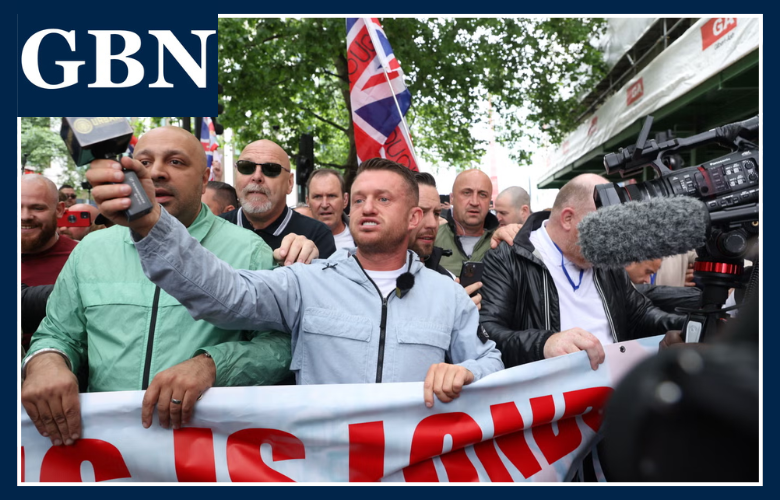
Public demonstrations linked to Tommy Robinson have become one of the most widely discussed and controversial topics in modern UK politics. These events regularly attract large crowds, strong media attention, and intense debate across society. Supporters see them as a platform for expressing concerns about immigration, free speech, and government decisions, while critics argue they can increase division and social tension.
The activist at the centre of these events is Tommy Robinson, whose public campaigning and political messaging have played a major role in shaping these protests over the years. Alongside the demonstrations themselves, there is also growing interest in related topics such as his net worth, major marches, specific protest dates, and latest news updates. This article provides a complete, structured, and detailed explanation of all these areas in one place.
What Is the Tommy Robinson Protest Movement?
The protest movement associated with Tommy Robinson refers to large-scale public demonstrations where supporters gather to express political opinions on issues such as immigration, government policy, law enforcement, and freedom of speech. These events are typically held in major UK cities, especially London, and often involve marches, speeches, flags, and organised public gatherings.
Unlike traditional political rallies linked to formal parties, these protests are loosely organised and often promoted through social media platforms. This allows rapid mobilisation of supporters and can result in very large crowds forming in a short time. Because of their size and visibility, these events often attract national media coverage and become part of wider political discussion in the UK.
Background and Development of the Movement
The origins of these demonstrations are closely linked to the activism of Tommy Robinson, who first became known through involvement in street-level political campaigns. Over time, his activism evolved from organised group movements into independent campaigning focused on broader issues such as immigration policy, free speech, and national identity.
Several key factors contributed to the growth of these protests. Increasing debate around immigration created a politically sensitive environment in the UK, while social media platforms allowed messages to spread quickly and mobilise large numbers of people. At the same time, public frustration with mainstream political institutions encouraged some individuals to seek alternative forms of political expression. Together, these factors helped transform smaller gatherings into recurring national demonstrations.
Why People Take Part in These Protests
People attend demonstrations linked to Tommy Robinson for a variety of reasons, often shaped by personal beliefs and political concerns. Many participants feel that their voices are not fully represented in mainstream politics and see these events as a way to express their opinions publicly.
Common motivations include concerns about immigration policy, dissatisfaction with government decisions, support for free speech, and interest in national identity issues. For many, there is also a strong social element, as attending these events creates a sense of belonging and shared purpose with others who hold similar views. Emotional factors such as frustration or distrust in political institutions also play a significant role in encouraging participation.
Tommy Robinson March Explained
The Tommy Robinson march refers to organised public demonstrations where supporters walk through central city locations, often in London. These marches are usually part of larger rallies and involve coordinated routes, speeches, and visible political messaging.
During events linked to Tommy Robinson, marches are often closely monitored by police due to their size and the possibility of counter-protests. Security arrangements are typically in place to manage crowd movement and maintain public order.
Key features include large groups moving through city streets, public speeches at designated points, visible banners and flags, and structured policing to ensure safety. These marches have become a regular feature of political activism in the UK.
Tommy Robinson Net Worth Explained
Search interest in Tommy Robinson net worth is driven by public curiosity about his financial background and sources of income. However, there is no officially verified figure, and any numbers found online are estimates rather than confirmed facts.
The income of Tommy Robinson is believed to come from several sources, including public speaking engagements, online donations, crowdfunding campaigns, media appearances, and content-related projects. These income streams can vary depending on political activity and public engagement.
Because there is no formal financial disclosure, net worth estimates remain speculative and should not be considered exact. Different sources often report very different figures, making it difficult to determine an accurate total.
Tommy Robinson 13th September Event Explained
The keyword Tommy Robinson 13th September typically refers to specific protest dates or scheduled rallies that have taken place in the UK. These date-based events often gain attention due to their timing, scale, or political significance.
Events linked to Tommy Robinson on such dates usually involve organised marches, public speeches, and large gatherings in central locations. These events are often widely shared on social media and closely followed by both supporters and critics.
Because of their visibility, specific dates like this frequently trend in search results, especially when major demonstrations or announcements are involved.
Tommy Robinson Latest News Overview
News coverage involving Tommy Robinson is frequent due to his involvement in political activism, public demonstrations, and media commentary. His name regularly appears in UK news cycles, especially during protest events or political debates.
Common news topics include updates on protests and marches, legal proceedings, public speeches, reactions from political figures, and commentary from media outlets. His activities often gain renewed attention during periods of political tension or large-scale demonstrations.
This constant visibility ensures ongoing public interest in his actions and related events.
Real-Life Examples of Major Protests
Over the years, several large demonstrations linked to Tommy Robinson have taken place across the UK, particularly in London. These events often attract thousands of participants and significant media coverage.
Typical features include marches through central city areas, speeches from organisers, banners and political messaging, and a strong police presence to manage crowds. In some cases, counter-protests occur nearby, increasing the complexity of crowd control.
While many events remain peaceful, the presence of opposing groups can sometimes lead to tension requiring police intervention.
Benefits and Why Supporters Participate
Supporters believe demonstrations linked to Tommy Robinson provide an important platform for expressing political concerns. They argue that mainstream politics does not always reflect public opinion, making these events necessary for democratic participation.
Key perceived benefits include public expression of views, increased political awareness, stronger community identity, and encouragement of wider political debate. For many participants, these events represent a way to actively engage in national discussions.
Pros and Cons of the Movement
Pros
These demonstrations encourage political participation, raise awareness of public concerns, provide a platform for free expression, and strengthen community engagement among supporters.
Cons
Critics argue that they can increase social division, place pressure on policing resources, lead to highly polarised media coverage, and sometimes oversimplify complex political issues.
Public Reaction and Media Coverage
Public opinion on events linked to Tommy Robinson is strongly divided. Some people view them as legitimate political expression, while others see them as controversial and potentially disruptive.
Media coverage plays a major role in shaping perception, with different outlets focusing on different aspects such as crowd size, political messaging, or security concerns. Social media further amplifies both support and criticism, leading to highly polarised discussions.
Policing and Public Safety
In the UK, peaceful protest is legally protected, but must comply with public order laws. Events linked to Tommy Robinson often require significant police planning due to their size and the possibility of counter-protests.
Police focus on crowd control, preventing clashes, maintaining safety, and ensuring emergency access routes remain open. While most events are managed without major incidents, authorities remain cautious due to past experiences.
Why Opinions Are So Divided
Views on these protests vary widely depending on political beliefs. Supporters see them as a necessary platform for public voice, while critics believe they may increase tension and misunderstanding.
This division is a key reason why these events remain highly discussed in public debate and media coverage.
Are These Protests Effective?
The effectiveness of demonstrations linked to Tommy Robinson is debated. Supporters believe they raise awareness and influence public discussion, while critics argue that they rarely lead to direct policy change.
Their impact is often symbolic rather than legislative, shaping conversation more than government decisions.
Future Outlook
These demonstrations are likely to continue as long as debates around immigration, identity, and free speech remain active in the UK. Future trends may include continued large rallies, increased regulation of public protests, and ongoing media attention.
FAQ
1. What is the Tommy Robinson protest about?
It refers to demonstrations linked to Tommy Robinson focused on immigration, free speech, and political issues.
2. What is Tommy Robinson’s net worth?
There is no confirmed official figure, and estimates vary widely.
3. What happens during a Tommy Robinson march?
Supporters march through city centres with speeches, banners, and police supervision.
4. What is the 13th September event?
It refers to specific protest dates or rallies that gained public attention.
5. Why is Tommy Robinson often in the news?
Due to his involvement in protests, public speeches, and political controversies.
Conclusion
Demonstrations linked to Tommy Robinson remain a major part of political discussion in the UK. They bring together supporters with strong views on immigration, governance, and free speech, while also attracting criticism over their social impact.
These events combine political expression, media attention, and public debate, making them highly visible and widely discussed. Whether viewed as democratic participation or controversial activism, they continue to play a significant role in shaping public conversation in modern Britain.