

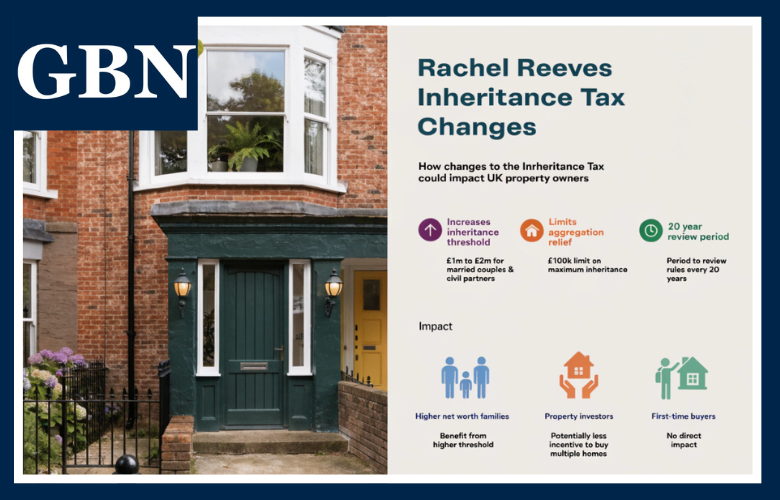
The topic of “Rachel Reeves inheritance tax changes” has become one of the most searched financial queries in the UK as households try to understand how future tax policy may affect property ownership, savings, and generational wealth transfer. Rising house prices, inflation pressure, and ongoing fiscal challenges have pushed inheritance tax into the spotlight of national debate. Rachel Reeves is often linked to this discussion due to her role in shaping UK economic policy and potential future tax reforms.
At the center of this debate is uncertainty about whether inheritance tax rules could change in ways that affect middle-income families or primarily target larger estates. Media headlines often use terms like “inheritance tax raid,” which increases public concern even when no official policy has been confirmed. This article provides a fully SEO-optimized, structured, and detailed explanation of inheritance tax rules, possible reforms, political debate, and long-term implications for UK families.
What Is Inheritance Tax in the UK Explained
Inheritance tax (IHT) is a tax applied to the estate of a person after death before assets are passed to beneficiaries. It only applies when the total estate value exceeds a certain threshold, meaning many UK households do not pay it. However, rising property prices have increased the number of estates that fall into the taxable category.
In the UK, the standard inheritance tax rate is 40 percent on the portion of the estate above the tax-free allowance, known as the nil-rate band. Additional allowances may apply when passing property to children or grandchildren. Spouses and civil partners are usually exempt, and reliefs may apply to business and agricultural assets. Despite these allowances, more families are being affected due to long-term asset growth.
Rachel Reeves Inheritance Tax Changes Overview
The phrase “Rachel Reeves inheritance tax changes” refers to ongoing political and economic discussions about how inheritance tax rules could evolve in the UK. While no confirmed reforms have been implemented, analysts expect that future policy may focus on adjusting thresholds, reviewing exemptions, and improving tax efficiency.
One of the most discussed possibilities is a freeze in inheritance tax thresholds. If thresholds remain unchanged while property values increase, more estates would gradually become taxable over time. Another possible direction includes reviewing reliefs that benefit family businesses and agricultural estates. There is also ongoing discussion about tightening rules around trusts and estate planning structures used to reduce tax liability legally.
These potential changes are often framed as part of broader efforts to increase government revenue and simplify the tax system.
Inheritance Tax Raid Debate Explained
The term “inheritance tax raid” is widely used in media and political commentary to describe fears that more families could be pulled into inheritance tax liability. Critics argue that rising property prices mean that even middle-income households may be affected in the future.
They highlight several concerns:
- House price inflation pushing estates over tax thresholds
- Increased burden on family homes passed to children
- Pressure on small family businesses
- Higher reliance on professional estate planning services
Supporters of reform argue differently. They believe inheritance tax ensures fairness by making larger estates contribute more to public finances. They also argue that current rules allow wealthy individuals to reduce tax liability through legal planning strategies. This creates an ongoing debate between fairness and financial burden.
Why Inheritance Tax Changes Are Being Discussed
Inheritance tax reform is being discussed due to several long-term economic and political factors. Rising property values across the UK have significantly increased estate sizes, meaning more households may fall into taxable categories even without increased income. This has made inheritance tax a broader issue than in previous decades.
Government budget pressure is another major factor. Public spending on healthcare, pensions, and infrastructure continues to rise, leading policymakers to explore stable revenue sources. Inheritance tax is often considered because it targets accumulated wealth rather than income.
Wealth inequality is also part of the discussion. Some policymakers view inheritance tax as a tool to reduce long-term wealth concentration between generations. At the same time, concerns about tax avoidance strategies have increased interest in tightening regulations and closing loopholes.
Possible Rachel Reeves Inheritance Tax Changes
Although no official policy has been confirmed, several possible inheritance tax reforms are widely discussed in financial analysis.
One key possibility is the freezing or adjustment of inheritance tax thresholds. This would gradually increase the number of taxable estates as property values rise over time. Another potential change involves reducing reliefs for family businesses and agricultural estates, which could affect long-term succession planning.
Stronger anti-avoidance rules may also be introduced to limit the use of trusts and estate planning structures designed to reduce tax liability. These combined changes would likely result in a more tightly controlled inheritance tax system over time rather than sudden large increases.
Impact on UK Families and Households
Inheritance tax changes could affect different groups in different ways depending on asset value and financial structure. Homeowners in high-value regions may become more exposed due to rising property prices, even if their income levels remain moderate.
Small business owners could also be impacted if reliefs are reduced, making it more expensive to transfer businesses between generations. Family farms may face similar challenges depending on how agricultural relief rules are adjusted.
Middle-income households in expensive housing markets could also see increased exposure, especially where property value has grown significantly over time. This makes inheritance tax an increasingly relevant issue for a wide range of UK families.
Economic Arguments For and Against Reform
Supporters of inheritance tax reform argue that it improves fairness by ensuring that larger estates contribute more to public finances. They also believe it helps reduce wealth inequality and strengthens long-term economic stability by closing tax loopholes.
Opponents argue that inheritance tax can place financial pressure on families during emotionally difficult times. They also claim it discourages saving and investment and creates unnecessary complexity in estate planning. There are also concerns about its impact on small businesses and farms, where liquidity may be limited.
(FAQs)
What are Rachel Reeves inheritance tax changes?
They refer to potential reforms discussed in politics and media, including threshold reviews, relief adjustments, and anti-avoidance measures. No official policy has been confirmed.
Why is inheritance tax called a raid?
The term “inheritance tax raid” is used by critics who believe reforms may increase the number of families affected by inheritance tax.
Will middle-class families be affected?
It depends on property values and final policy decisions. Rising house prices already increase exposure for some households.
Are inheritance tax changes confirmed?
No, current discussions are speculative and part of ongoing policy debate.
How can inheritance tax be reduced legally?
Common methods include estate planning, gifting strategies, trusts, and using available tax allowances legally.
Conclusion
The discussion around inheritance tax and Rachel Reeves remains one of the most important financial topics in the UK. The phrase “Rachel Reeves inheritance tax changes” reflects ongoing uncertainty about future tax policy, especially regarding property ownership, wealth transfer, and government revenue strategy.
While critics warn of an “inheritance tax raid,” supporters argue that reform is necessary to create a fairer and more balanced tax system. At present, most proposals remain speculative rather than confirmed. However, inheritance tax is expected to remain a key political and economic issue in the UK for years to come, making it essential for families to stay informed and plan ahead.