

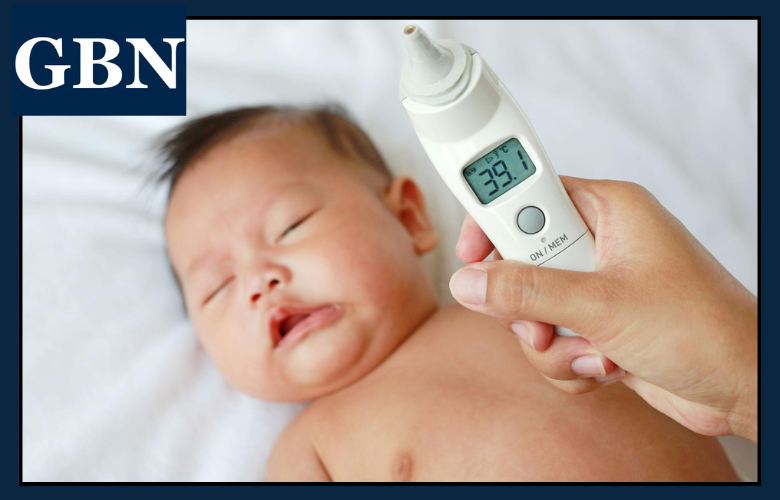
A baby thermometer is one of the most essential tools in any parent’s home, especially during the first few years of a child’s life when their immune system is still developing. Babies are far more vulnerable to infections and illnesses than adults, and fever is often the earliest and most important sign that something may be wrong. Because infants cannot clearly communicate how they feel, parents must rely on accurate tools to monitor their health, and a reliable thermometer becomes a critical part of that process. In modern parenting, where quick decisions and early intervention can make a significant difference, having a high-quality baby thermometer is not just helpful—it is absolutely necessary.
Including their importance, types, features, how to choose the best one, safety tips, and expert advice for accurate usage. This in-depth content is designed to help you make the best decision while ensuring your baby’s safety and well-being.
What Is a Baby Thermometer and Why It Matters

A baby thermometer is a specially designed medical device used to measure an infant’s body temperature accurately and safely. Unlike standard thermometers, these devices are tailored for babies, focusing on comfort, speed, and ease of use. Babies are highly sensitive to temperature fluctuations, and even a slight fever can indicate a potential infection that needs attention. This is why monitoring body temperature is one of the first steps in assessing a baby’s health condition.
The importance of a baby thermometer lies in its ability to provide clear and immediate information about your child’s health. When a baby feels warm, parents often worry, but without a thermometer, it is impossible to know whether the temperature is within a normal range or dangerously high. A reliable thermometer removes this uncertainty and allows parents to act quickly and appropriately. In many cases, early detection of fever can prevent complications and ensure timely medical care, making the thermometer an essential part of preventive healthcare.
Understanding Normal Baby Temperature and Fever
Before choosing a thermometer, it is important to understand what constitutes a normal temperature in babies. Typically, a baby’s normal body temperature ranges between 36.5°C and 37.5°C. However, this can vary slightly depending on the method used to measure temperature and the time of day.
A fever is generally defined as a temperature of 38°C (100.4°F) or higher. For newborns, even a mild fever can be a sign of a serious condition, which is why immediate medical attention is often recommended for babies under three months old. Understanding these temperature ranges helps parents interpret thermometer readings accurately and decide when further action is needed.
Types of Baby Thermometers Explained
There are several types of baby thermometers available, each designed for different age groups and situations. Choosing the right type depends on your baby’s age, comfort level, and your preference for convenience or accuracy.
Digital thermometers are among the most widely used options and are known for their reliability and affordability. They can be used rectally, orally, or under the arm, although rectal use is considered the most accurate for newborns. These thermometers provide quick readings and are easy to maintain, but they may require careful handling to ensure hygiene and safety.
Infrared forehead thermometers have become extremely popular due to their non-contact design. These devices measure temperature by scanning the forehead, making them ideal for quick checks without disturbing the baby. They are especially useful during nighttime when the baby is asleep. Although they are convenient and hygienic, their accuracy can sometimes be influenced by external factors such as sweat or room temperature.
Ear thermometers, also known as tympanic thermometers, measure temperature inside the ear canal using infrared technology. They are fast and effective for babies older than six months, but they require proper positioning to ensure accurate readings. For younger infants, these thermometers are not always suitable due to the size of their ear canals.
Smart thermometers represent the latest advancement in baby care technology. These devices connect to mobile apps and allow parents to track temperature trends over time. Some models even provide alerts and health insights, making them ideal for parents who want a more comprehensive monitoring system. However, they are generally more expensive and may not be necessary for everyone.
Key Features That Make a Thermometer the Best Choice
When selecting a baby thermometer, several features should be considered to ensure you are getting the best value and performance. Accuracy is the most important factor, as incorrect readings can lead to poor decision-making. A high-quality thermometer should provide consistent and precise measurements within seconds.
Speed is another crucial feature, especially when dealing with restless babies. Thermometers that deliver instant results are highly beneficial, as they reduce the time needed to take a reading. Ease of use is equally important, as a complicated device can make the process stressful for both the parent and the baby.
Comfort should also be a top priority. Non-contact thermometers are often preferred because they minimize discomfort and allow for quick readings without disturbing the baby. Additional features such as fever alerts, memory storage, silent mode, and backlit displays can further enhance usability and convenience, making the thermometer more practical for everyday use.
How to Choose the Best Baby Thermometer
Choosing the best involves considering your baby’s age, your lifestyle, and your specific needs. For newborns, accuracy is the top priority, which is why digital rectal thermometers are often recommended by healthcare professionals. As the baby grows older, parents may prefer more convenient options such as infrared forehead thermometers, which offer a balance between accuracy and ease of use.
It is also important to consider how often you will use the thermometer. If frequent monitoring is required, investing in a high-quality device with advanced features may be worthwhile. Budget is another factor, but it should not compromise safety and accuracy. A reliable thermometer is a long-term investment that contributes to your baby’s overall health and well-being.
How to Use a Baby Thermometer Properly
Using a baby thermometer correctly is essential for obtaining accurate readings. Always read the manufacturer’s instructions before using the device and ensure that it is clean and ready for use. Proper positioning is crucial, as incorrect placement can lead to inaccurate results.
It is also important to ensure that the baby is calm during the measurement process. Movement, crying, or recent activities such as feeding or bathing can affect temperature readings. Waiting a few minutes before taking a measurement can help ensure accuracy. If you receive an unusual reading, taking a second measurement can help confirm the result.
Signs of Fever in Babies
Recognizing the signs of fever is just as important as measuring temperature. Common symptoms include a warm forehead, irritability, poor feeding, and unusual sleepiness. Some babies may also cry more than usual or appear less active.
A thermometer helps confirm whether these symptoms are associated with a fever, allowing parents to take appropriate action. Monitoring these signs closely can help identify potential health issues early.
When to Seek Medical Help
Knowing when to consult a doctor is an important part of using a baby thermometer effectively. Parents should seek medical attention if their baby is under three months old and has a fever, as this can indicate a serious condition. Additionally, if the fever persists for more than 24 to 48 hours or is accompanied by symptoms such as vomiting, rash, or difficulty breathing, medical advice should be sought immediately.
Early intervention can prevent complications and ensure that the baby receives the necessary care. Trusting your instincts and acting quickly can make a significant difference in your child’s health.
Safety Tips Every Parent Should Follow
Safety is a critical aspect of using baby thermometers. Parents should avoid mercury thermometers, as they can break and pose a risk of exposure to harmful substances. Always store the thermometer in a safe place and keep it out of reach when not in use.
Regular cleaning and maintenance are essential to ensure hygiene and accuracy. Batteries should be replaced as needed, and the device should be checked periodically for proper functioning. Using certified and high-quality products is key to ensuring both safety and reliability.
Benefits of Using a High-Quality Baby Thermometer
A high-quality baby thermometer offers numerous benefits, including accurate health monitoring, early detection of illness, and reduced stress for parents. It allows for quick and informed decision-making, helping parents respond effectively to their baby’s needs.
Modern thermometers also provide convenience through fast readings and advanced features, making them an essential part of any baby care kit. Investing in a reliable thermometer ensures that you are always prepared to monitor your baby’s health.
Also Read:Best Investment Strategies in 2026 to Grow Wealth Fast and Safely
(FAQs)
What is the most accurate baby thermometer?
Digital rectal thermometers are the most accurate for newborns.
Are forehead thermometers reliable?
Yes, if used correctly, they are fast and convenient for babies 3+ months.
What temperature is a fever in babies?
38°C (100.4°F) or higher.
Can I use an ear thermometer for newborns?
No, it’s not recommended for babies under 6 months.
How often should I check temperature?
Only when your baby shows signs of illness.
What is normal baby temperature?
Around 36.5°C to 37.5°C.
Do I need to wake my baby to check fever?
No, use a no-touch thermometer if needed.
When should I see a doctor?
If baby is under 3 months with fever or symptoms worsen.
Conclusion
A baby thermometer is more than just a simple device—it is a vital tool that supports your baby’s health and well-being. From detecting fever early to providing peace of mind, the right thermometer can make a significant difference in how you care for your child. With various options available, understanding the features, types, and proper usage of thermometers is essential for making the best choice.
By investing in a high-quality thermometer and using it correctly, parents can ensure accurate temperature monitoring and take timely action when needed. In the journey of parenthood, having the right tools is crucial, and is undoubtedly one of the most important tools you can have.